

Chime Ding Cast Tin
Behind the scenes of John Taylor & Co, the last remaining major bellfoundry in the UK.
Bells have long been used to mark time – so much so the word “clock” comes from “clocca”, Medieval Latin for “bell”. In Britain bells were first used to punctuate the day by the Romans; by 600AD bells were common in monasteries and soon after they moved into churches.
In the 14th century bells started to go secular, added to buildings such as castles and council chambers; bells must have been in demand, which is perhaps why Johannes de Stafford started making them. He set up the business the Taylor family took over in 1784, the Taylor Bell Foundry becoming famed for its beautiful-sounding bells.
But clocks have evolved to mark ever-smaller increments of time. In the 14th century only capable of measuring hours, they soon became accurate enough to add minutes, then seconds, then milliseconds, and more. Church towers became pocket watches then wristwatches, then phones; bells just couldn’t keep up. Once at the cutting edge, they’re now becoming part of the past.
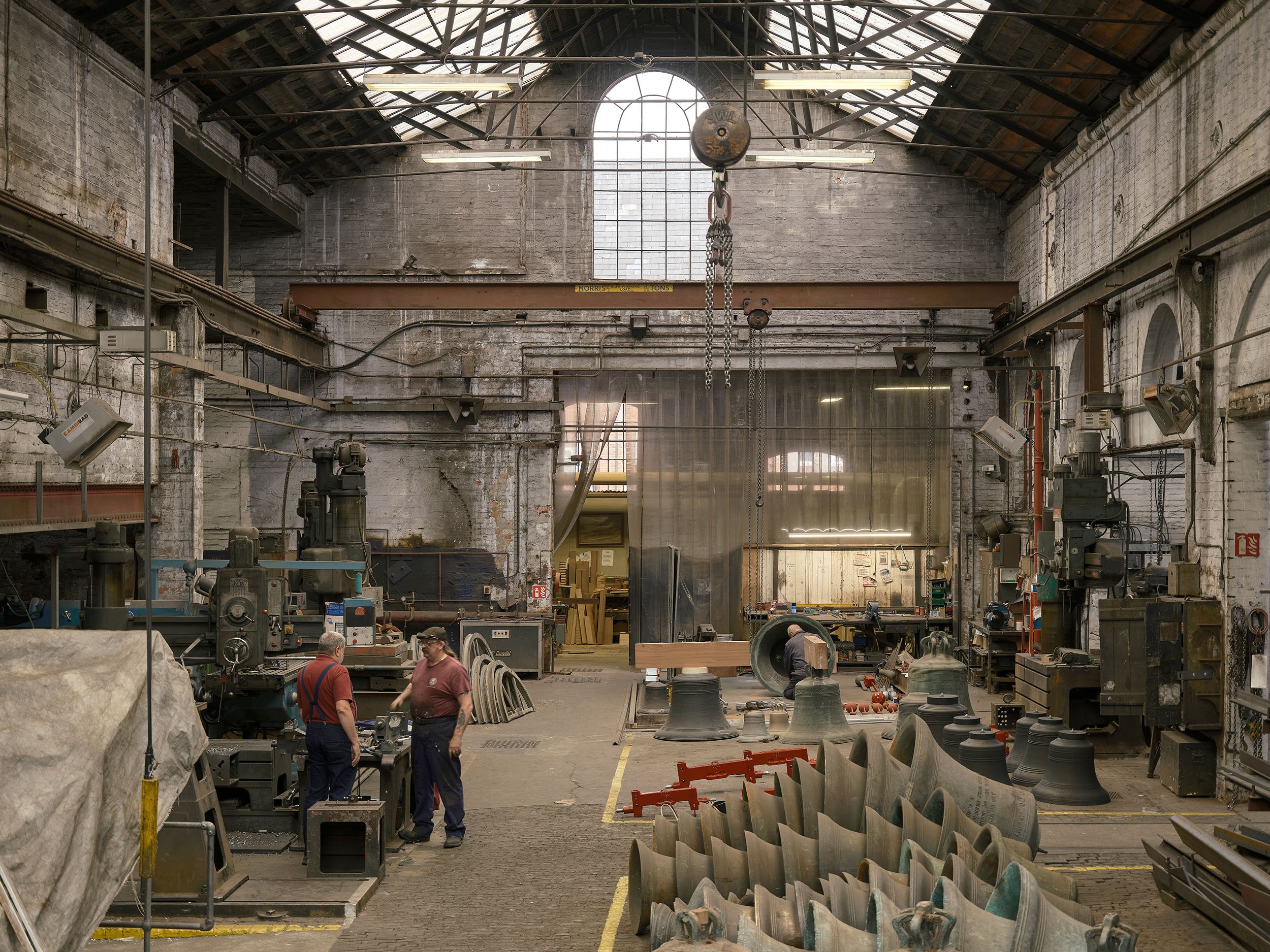
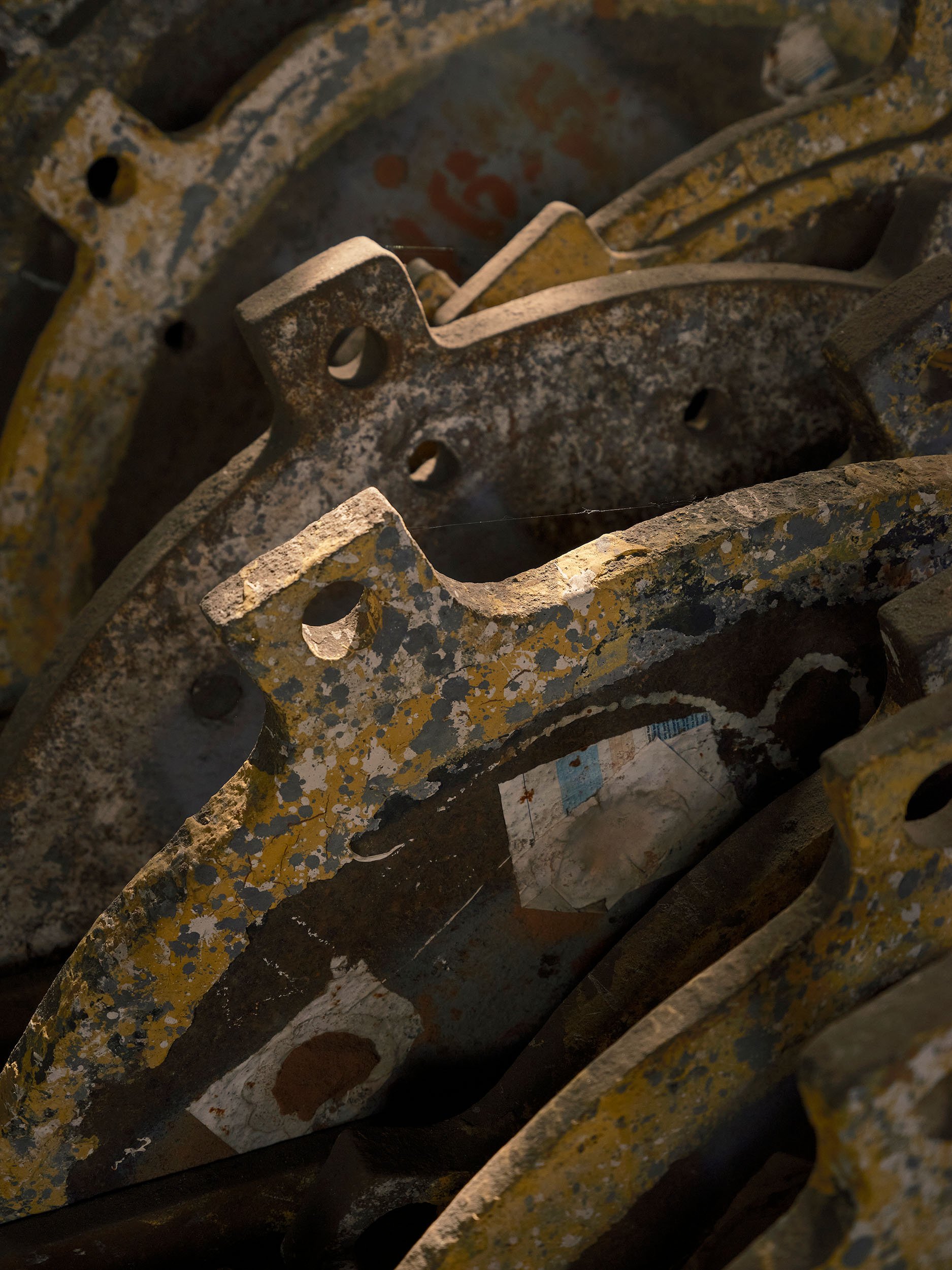
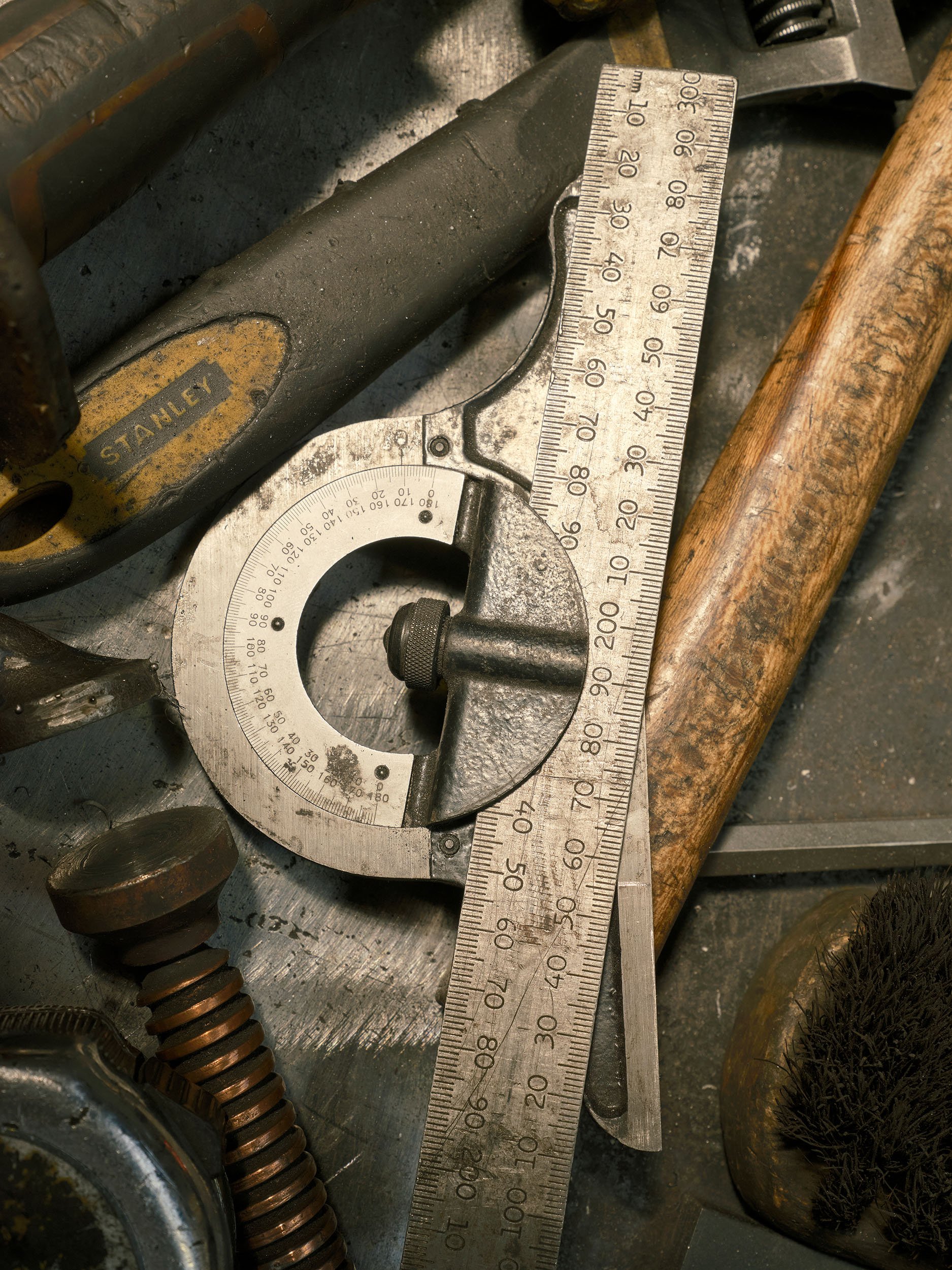
The Taylor Bell Foundry is the last major foundry in Britain, its workforce custodians of a dying art. This project documents the foundry and the process of making a bell. The passage of time keeps flowing, no matter how finely it’s cut.
Featuring the work of Luca Piffaretti, Francesco Russo and Henry Woide.
Words by Diane Smyth.








The Sounds and Words of the Foundry
Hearing a bell was once an hourly occurrence, a way to mark time in a world without wristwatches and smartphones; now hearing a tuned bell is unusual, and hearing them being made is exceptional. As you turn these pages of this project’s zine you move through the processes, the people and the sounds involved in the creation of a bell, from casting to tuning.


John Taylor Bellfounders
Mass Journal 02
This issue presents Chime Ding Cast Tin, an ongoing project by Mass Collective documenting the last major bell foundry in Britain.
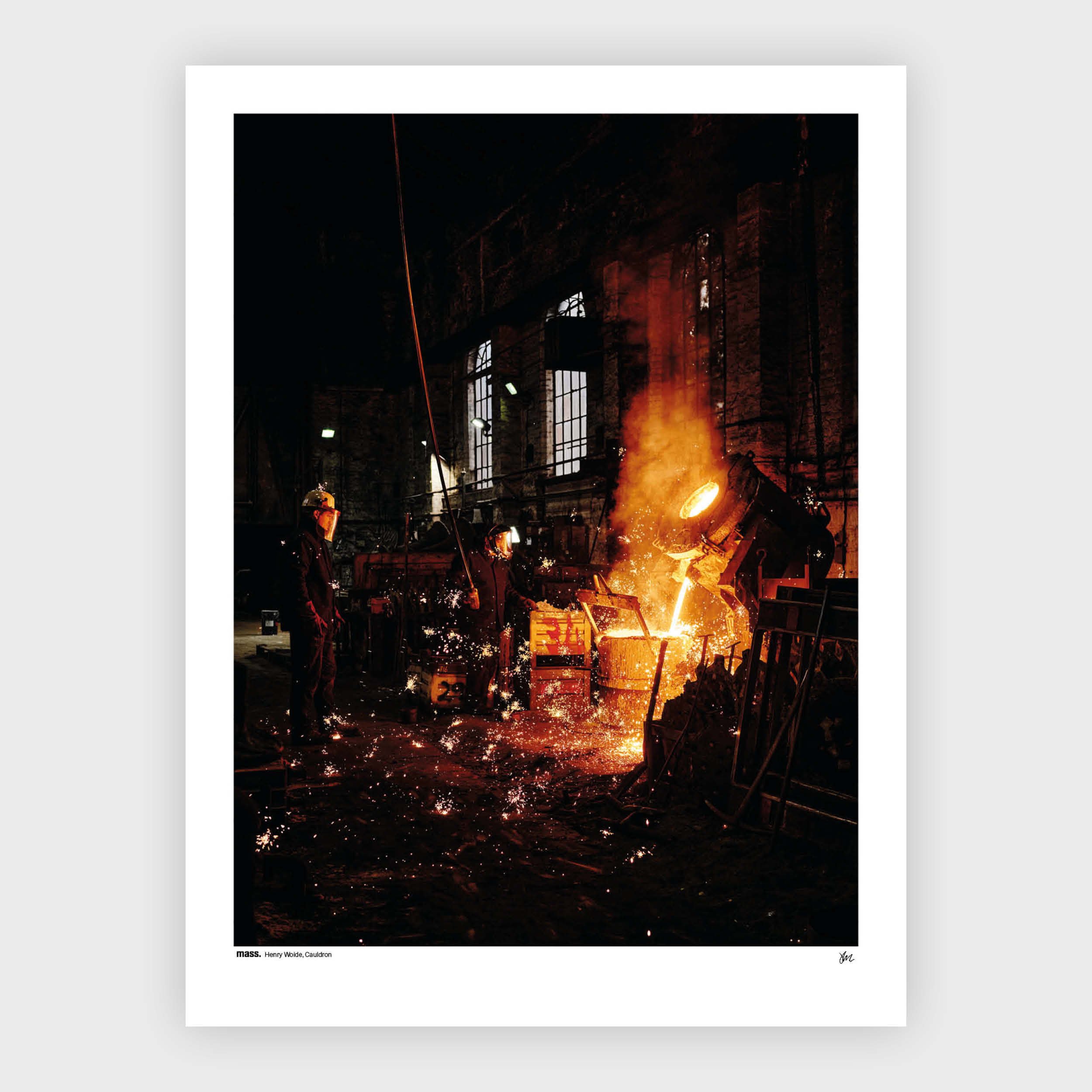
John Taylor & Co operates the largest bell foundry in the world in Loughborough since 1839. The photographs document the processes and the people involved, within a timeless industrial environment that will soon undergo substantial changes. These are the last days of the foundry as it’s been known since its foundation.
As you turn these pages you move through the process of the creation of a bell, from casting to tuning. The visual narrative is accompanied by the recordings of sounds, noises and voices of the people working at the foundry.
Photographs: Luca Piffaretti, Francesco Russo, Henry Woide
Sounds: Luca Piffaretti
Words: Diane Smyth
Design: Stanley James Press
Specifications:
First edition of 200
52pp - 130 gsm silk paper
Multi-layered triple cover - 135 gsm uncoated paper
158 x 210 mm
Staple bound
Accompanied by audio recordings
To know more details about this zine see the Buyer Guide.
* Zines ship separately from all other items within the same order.